
Beyond the Classroom: Nic Hartmann on the Vocation of End-of-Life Care
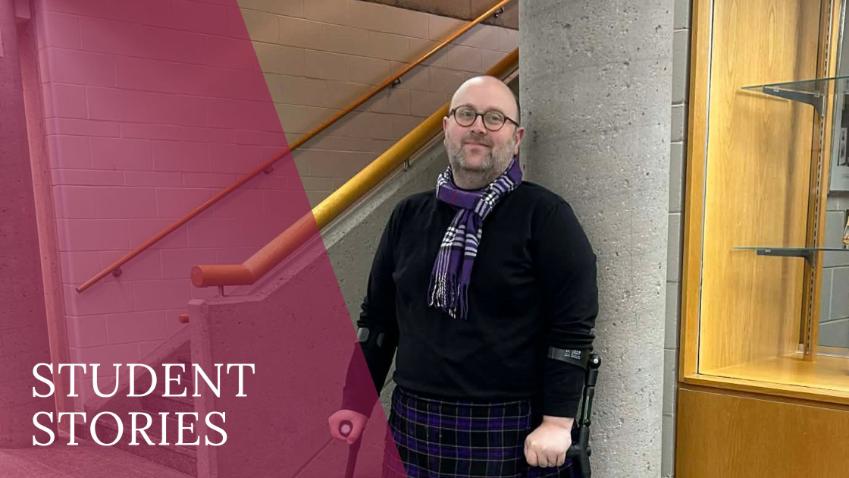
For many at AST, the proximity to Hospice Halifax is a daily visual reminder of the thin veil between life and death. For Master of Divinity student Nic Hartmann, that boundary became a space for deep learning last month. In this interview, Nic shares how a group of students’ ecumenical visit transformed their understanding of pastoral care, moving theology from the textbook to the bedside.
“In our United formation course, we were asked what types of places might be helpful for us to see as ministry candidates, and a few of us wondered about the hospice since it’s literally next door,” shared Hartmann. “There were also folks in other faiths that wanted to attend, so it became an ecumenical visit.”
Hospice Halifax is known for its deeply welcoming and compassionate environment. During your visit, was there a specific moment or observation that changed your perspective on what it means to provide spiritual care at the end of life?
We spent a bit of time in one of the hospice rooms, where many people spend their last waking moments. It was very sobering because we are focusing on life and living in Christ, and next door to us, people are breathing their final breaths. The mix of spiritual and medical care could clearly be seen, not only in the hospice suites, but also in the spaces for families and caregivers to gather for rest and nourishment. It demonstrates that end-of-life care is not about the person in hospice, but all those who surround them in their final days.
How did the visit help you bridge the gap between your classroom studies and the practical formation of a pastoral leader?
I am taking “Dying, Death and Grief” from The Rev. Canon Dr. Jody Clarke this winter, so the opportunity to visit this space before taking the course was very helpful in terms of getting an idea of what hospice care involves. This is important to me because I am considering hospice or other end-of-life work as part of my vocation.
What was the most significant takeaway regarding the role of hope in spaces where grief and transition are so present?
Hospice Halifax does a lot of programming for grief and transition support, and I was touched by the fact that the relationship with the family does not end there. It is a presence for when the family needs it, and that’s a very hopeful thing.
Hospice care requires us to serve people of all faiths and no faith with equal grace. Has this experience informed your understanding of AST’s “Ecumenical and Welcoming” mission as you prepare for future ministry?
I think so. It’s another way to understand how to be there for others as Christ called us to do.
Anything else you’d like to add?
I think more students should visit the Hospice, and I hope to do more there myself!