
AST News
Back in the Saddle: How Rev. Meggin King Hare is Building Community and Advocacy in Pictou County
Published on: Friday, July 31, 2026 at 10:42 AM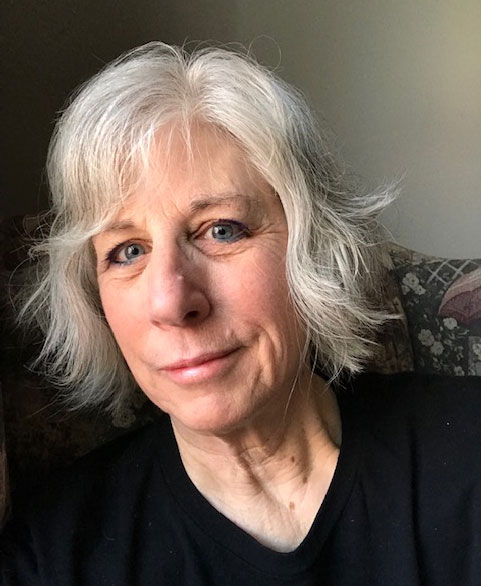
In this edition of our Alumni Spotlight, we catch up with Rev. Meggin King Hare (AST M.Div ’07)—a dedicated minister, advocate, and community builder. From her ordination at Maritime Conference in Sackville, N.B. to her journey through retirement and back into active ministry, Meggin shares her candid reflections on serving the Salt Springs-Scotsburn-Lyon’s Brook Pastoral Charge in Pictou County; the unexpected path that led her back into full-time ministry; her vital leadership role as Incoming Chair and Renewal Pillar with the Association of United Church Clergy (AUCC); and how her time at AST continues to fuel her passion for social justice and LGBTQ2S+ advocacy.
You mentioned being “back in the saddle” after a brief retirement to serve the Salt Springs-Scotsburn-Lyon’s Brook Pastoral Charge. What called you back into active ministry, and how has this new chapter in Pictou County surprised or energized you so far?
I retired when we were living in Ontario, and we decided to move back to N.S. A local colleague asked if I was willing to cover for him for some of his vacation days, and I said, “Sure.” Then another colleague told me he was going on an extended leave and asked if I was interested in doing a six-month appointment, and I did that. While I was in that appointment, I was approached by another colleague to ask if I might be interested in doing a further appointment for SS-SB-LB and explained that their long-time clergy was retiring and they were having a challenge in finding new clergy. In my brief time of retirement, I realized that the United Church pension was not enough for our family finances, and so the economic impetus for taking on full-time work was strong.
I met with the search committee, and we immediately hit it off. The process went quickly, and we are all very, very pleased with how this appointment (three years, full-time) is going. I have been surprised and delighted by the welcome and the enthusiasm of the pastoral charge and their willingness to try new ways of worship and study and activities after a very long and very positive prior clergy relationship.
Your role as Incoming Chair and Renewal Pillar for the Association of United Church Clergy (AUCC) highlights a deep commitment to filling gaps in clergy support, education, and protection. How do you hope to advance this vital work during your tenure?
There are a number of areas in the work and lives of United Church clergy that seem to fall through the cracks of the General Council administration. I hear concerns about our pension and benefits department: regulations are hard to navigate and do not actually serve the needs of both active and retired ministry personnel. There are issues around how General Council communicates its policies and decisions, and other questions arise, especially around how we form, nurture, and support our relationships with our colleagues. This is an ongoing concern. During my term I will be focused on reaching out to all the other regions outside the Maritimes to publicize our work and encourage clergy to become members in their own areas. There is power in numbers.
Looking back at your time at Atlantic School of Theology, how did your education and formation shape your approach to community outreach and your unwavering passion for social justice?
The four years I spent at AST gave me many opportunities to engage in hands-on social justice work, as well as an academic grounding in being mindful of local and global social justice issues. In particular, my time there influenced my work with our LGBTQ2S1+ communities. I am grateful for this strong framework of connecting the Gospel of Christ to the lived experience of so many neighbours.
Beyond the church walls, you are involved in cooking, reading, and local theatre. How do these personal passions feed into your ministry and help you connect with the wider community?
Cooking and reading are private activities, although I do like talking about both of these things with others who also enjoy them. Community theatre is my connection with the wider community. Membership in the Hubtown Theatre group in Truro has been a wonderful way of expanding my relationships in the community. It’s also an opportunity to indulge in the fun of dressing up and behaving in ways that are completely different from my day-to-day activities. I have been in two Hubtown productions in the last year and a half, and next spring I will be reprising my role as “Maude” in “Four Old Broads on the High Seas.”
For current AST students or recent graduates who are navigating the early stages of their own ministry paths, what piece of advice would you offer about finding “companionship and advocacy” in the modern church landscape?
Forming relationships with your clergy colleagues can be easier said than done. For those in urban areas this will be easier than for those of us in rural communities, but with the tech advances available, make good use of any media that helps you connect. Be intentional. Make the time and take the time to connect. It may feel like “just one more thing” that you have to fit into an already crowded work week, but the benefits are incalculable. If there is no local group, reach out and spread your net wider. And as a member of the Association of United Church Clergy, I encourage you to join us in our work, as we offer both companionship and advocacy year-round.
Anything else you’d like to add?
Ministry is not a journey for the faint-of-heart. It takes a deep-seated conviction that despite the challenges, what you are doing is making a difference in your community and your world and in your own self. Be alive to the presence of Christ, who walks with you along the way, and learn all the ways to recognize him in those around you.