
AST News
From Classroom to Hospital Corridors: Susan Drain’s Calling to Care
Published on: Thursday, September 17, 2026 at 5:37 PM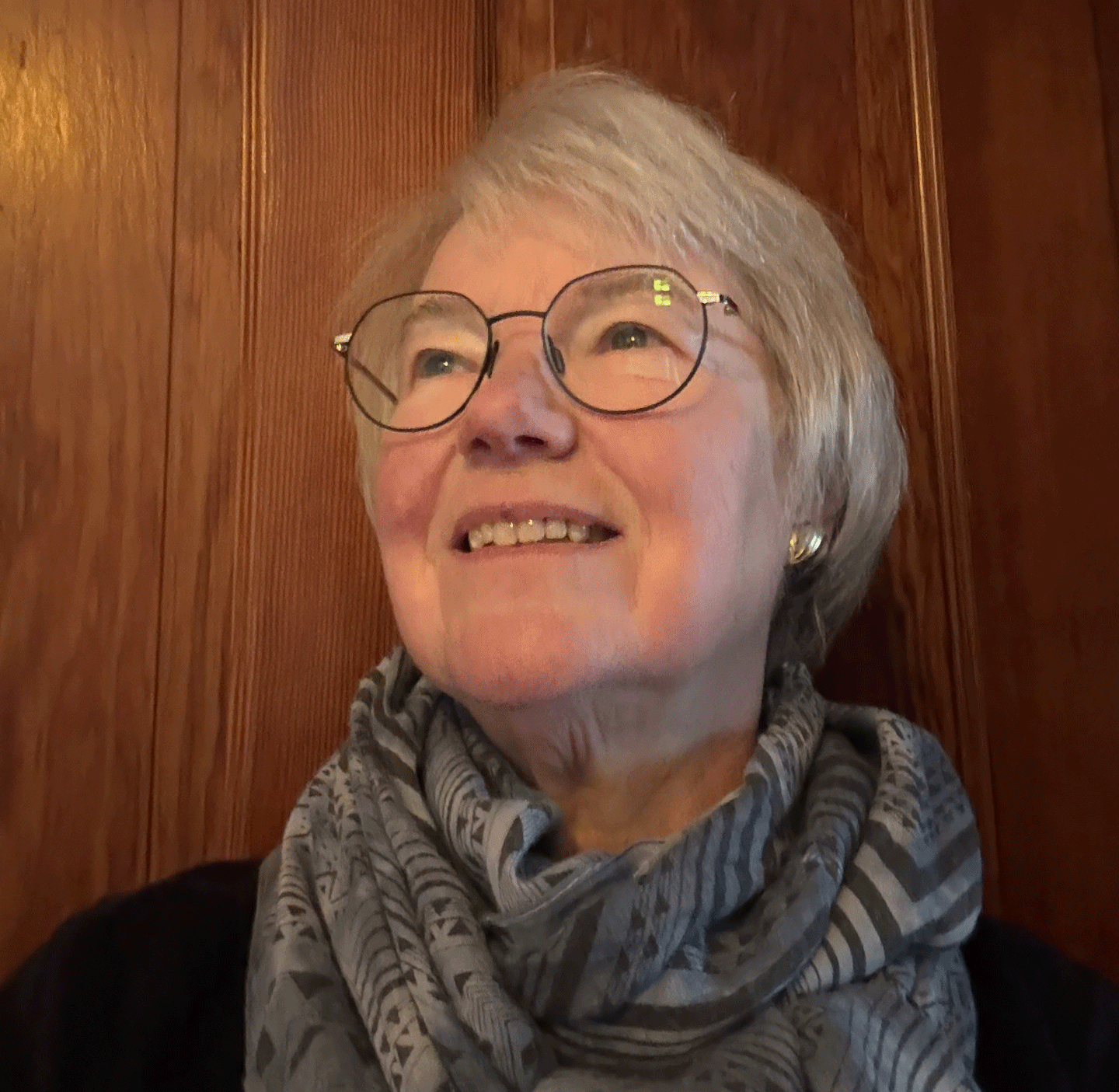
Susan Drain, a special student at AST, is a postulant for the Anglican priesthood and professor emerita of English at Mount Saint Vincent University.
This summer, she was a student in Clinical Psychospiritual Education with a placement at Dartmouth General Hospital.
Drain shared that hospital chaplaincy is very different—there are no “cold calls,” as spiritual care must be invited by the patients. In almost all cases, Susan found that grey hair was a great advantage for a chaplain!
DGH has an excellent team of social workers and therapists of all kinds (e.g., physio, music, and occupational), per Susan, and it was eye-opening for her to see them face the challenges of patient care and summon their experience and their resources to benefit their patients.
Susan notes modestly that her great advantage in stepping into this position is that she has already learned most of the complexities of the OPOR (One Patient One Record) system introduced only this spring.
We asked Susan to reflect on her experiences, and here’s what she shared.
What drew you to Clinical Psychospiritual Education, and what would a typical day at Dartmouth General look like for you?
I can’t answer that, except to say that I have always been drawn to caring as a volunteer—15 years in palliative care and several years visiting seniors and IWK families with my therapy dog Trouble.
A typical day in the DGH might include rounds with the doctors, nurses, and therapists; listening to the stories of a patient with dementia; singing to a dying patient; drawing pictures with a severely autistic youth; or calming a distraught family member. Most conversations were an opportunity to listen to patients’ concerns about their health, their future, their families, their fears, and their faith—or lack thereof.
As a special student at AST, how are you tailoring your studies to complement your caregiving experience?
I am grateful to be a special student at AST, especially for the freedom to choose courses as suit my goals—such as Jody Clarke’s Dying, Death, and Bereavement.
What role does this interim chaplaincy position play in your ongoing discernment for the priesthood?
When the DGH chaplain resigned later in the summer, I was honoured and flattered that the hospital and Capital Health’s Spiritual Care office asked whether I could be a stopgap. If it works out, I will be happy to continue such meaningful engagement with folks at difficult points in their lives and help me discern a direction for my priestly calling.