
AST News
“Joy is Resistance”: Rev. Catherine MacDonald on Food Security, Community, and Lessons from Kenya
Published on: Tuesday, August 18, 2026 at 12:00 PM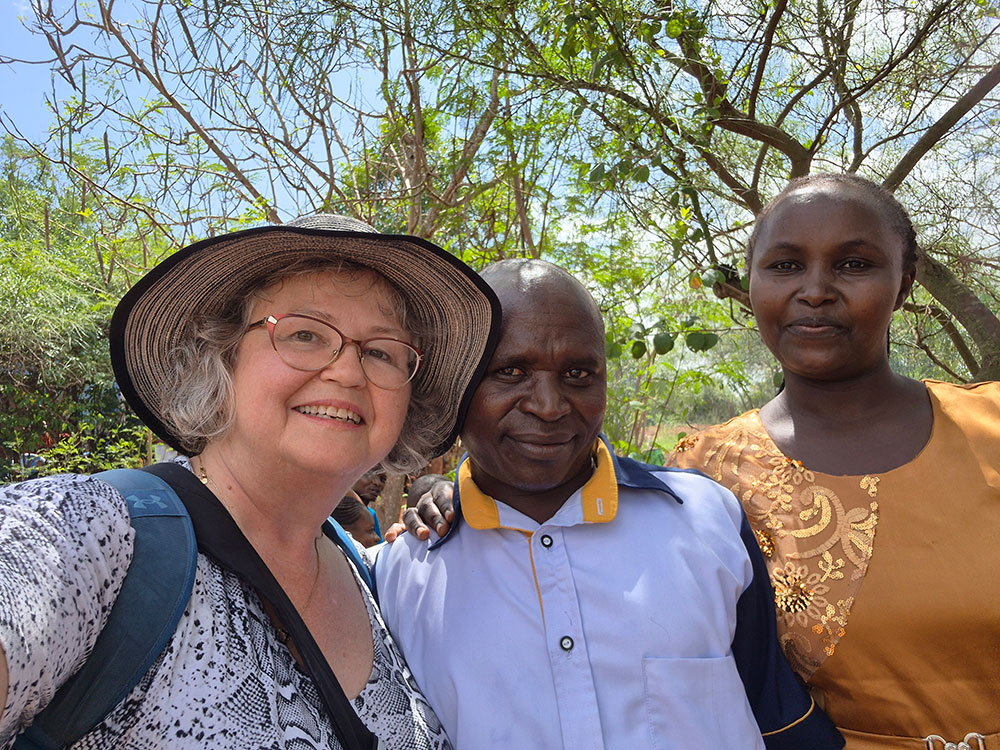
Rev. Catherine MacDonald graduated from AST with a Master of Divinity in 2004.
“I graduated … with a deep abiding belief that Jesus’ words, ‘Who is my neighbour?’ still have meaning for us.
It’s safe to say that MacDonald’s foundation at AST shaped her worldview. It is one of the many reasons that she ended up on the Canadian Foodgrains Bank food security learning tour, which was held from February 20 to March 6 this year.
Eight participants aged between 25 and 75 from across the country participated in this tour, visiting (mostly) rural areas in Kenya. The group was hosted by Church World Services, and the tour was carried out in collaboration with others in Kenya.
“Our neighbour may be across the street or across the ocean. Especially in our interconnected world, what happens to one of us happens to all of us in some way,” shared MacDonald.
“Food and faith are inextricably linked for me,” added MacDonald. “Desmond Tutu said, ‘The Good News to a hungry person is bread.’ From the time I was 10 years old, I had wanted to go to Africa. When I saw the opportunity, I didn’t hesitate; I filled out the application immediately. Each day while I was there, I pinched myself and said, ‘I’m really here!’
We sat down with MacDonald to discuss her recent experience in Kenya, the impact of empowering female farmers, and the vital link between food security and faith.
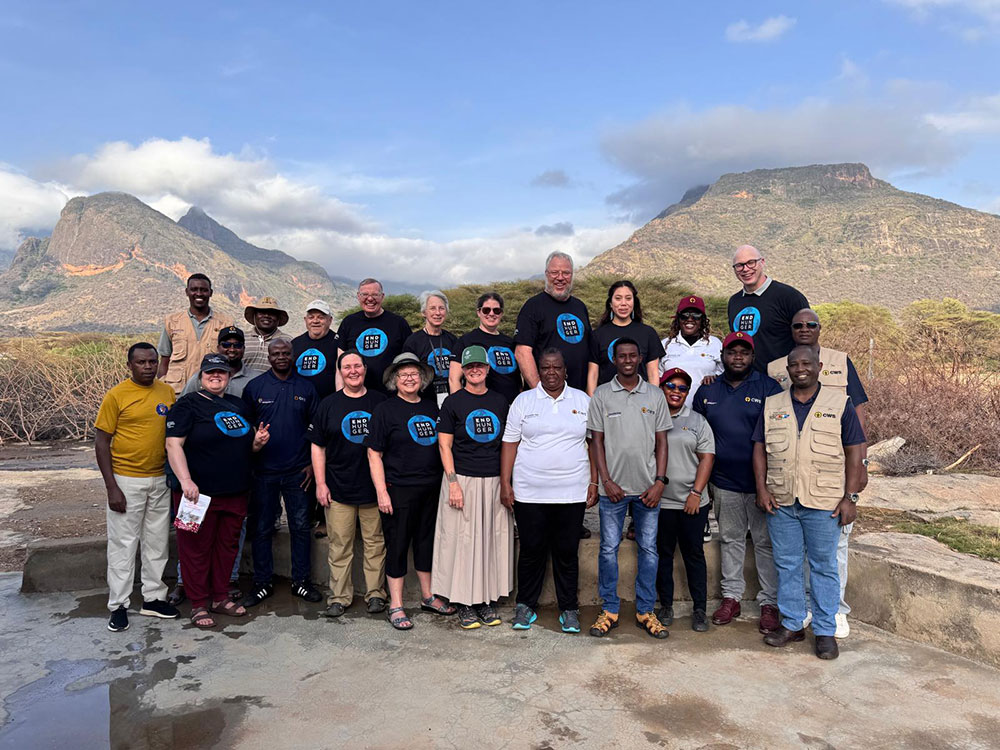
The learning tour had a very diverse group, with participants ranging in age from 25 to 75. What was it like navigating this intense, eye-opening experience alongside people from such different generations and backgrounds?
We had to apply to participate in the program, and there was no guarantee that we would be accepted, so I’m sure the application process weeded out those who would not be suitable.
 We had study material to read beforehand about what to expect and expectations of being in a community for that time. We had two Zoom calls to meet each other before the trip, which helped immensely.
I think part of what helped was how busy we were; we had long days, usually from 8 to 8. Each of us had different specific tasks when visiting a project, and those tasks changed each day. Our evenings were spent debriefing the day along with biblical reflections. We also had some very long days of travel, where we were in a group of SUVs and we would rotate between them, so we were talking to different people all the time. We all understood that we were coming from different perspectives on Christianity but were all committed to the Canadian Foodgrains Bank goal of ending world hunger.
A major focus of this tour was women’s empowerment and supporting female farmers. Based on the projects you visited, what does that empowerment look like on the ground in rural Kenya, and why is it so vital to lifting the entire community?
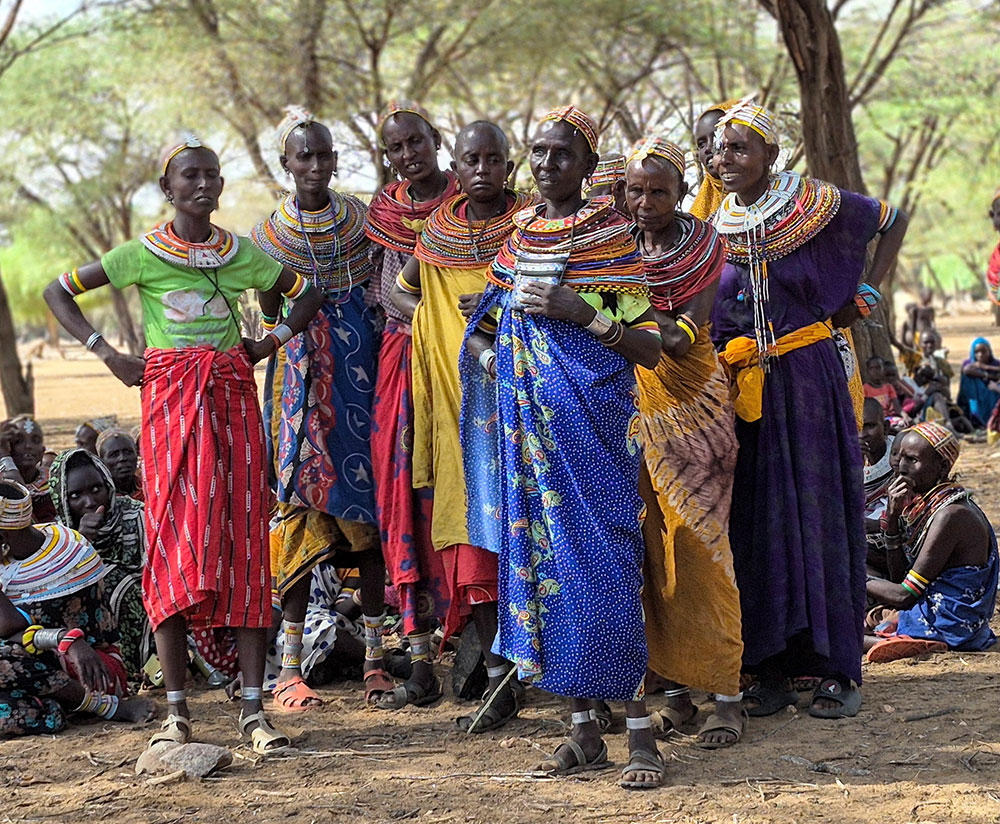
Studies have shown that when you empower women, entire communities are lifted, and in Kenya, most farming is done by women. Empowerment looks like small investments in better seeds, training programs to participate in, and learning ways to integrate and use everything on the farm. For instance, corn stalks are laid on the ground and used to prevent soil erosion after the harvest, and chicken manure is used for fertilizer; nothing is wasted! One of the farms in particular was the ultimate circular economy!
Most of the farms you visited were under two acres, yet you noted that even a tiny investment—like six chickens and a rooster—can completely change a family's trajectory. Was there a specific moment or a family you met where you saw the massive impact of that kind of small-scale investment firsthand?
Yes, her name was Joyce Muthenya, and she carried herself like a queen! She had undertaken some training with Utooni Development Organization and through the program learned conservation methods, changed from maize to sorghum, which is a more drought-resistant and productive crop, learned terracing of fields to prevent water runoff, planted fruit trees, and dug square holes to collect water where peas were planted at the corners to provide shade to prevent evaporation, to fix nitrogen in the soil, and to provide food. I could write a book on her farm!
You’ve mentioned being struck by the immense joy present in these communities, despite very challenging living conditions. How did witnessing that resilience and joy impact you personally, and how has it changed how you look at things back home?
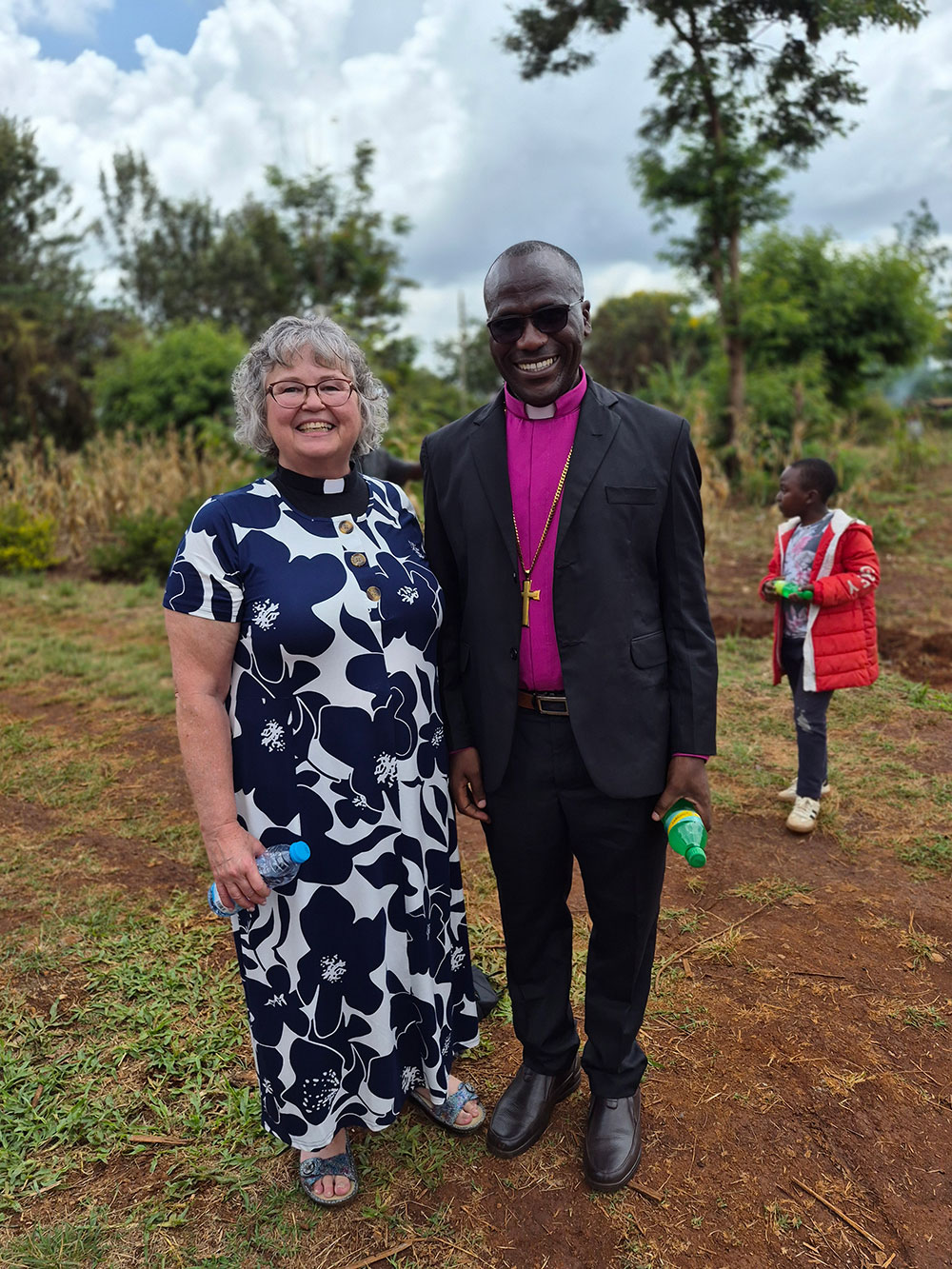
Joy is not a reward! Joy is resistance; joy is persistence; joy is refusing to let despair have the final word. Joy is noticing where God and people are working in the world to make a difference, sometimes against seemingly insurmountable odds. Kenyans also are deeply religious, mostly Christian. They have a depth of faith that I have rarely experienced in Canada, and it was inspiring. I had the opportunity to preach in a Baptist church while I was there, and the impact of that experience is still unfolding for me.
What is the biggest message or lesson from the people of Kenya that you want to share with the AST community and the wider public?
That it takes such a small investment to make such a big difference in lifting families and communities out of poverty. It’s not charity; it’s partnership. Canadian Foodgrains Bank works in partnership with organizations on the ground in Kenya and other countries around the world, and there are various ways to be involved: Give, Pray, Learn, and Advocate.